
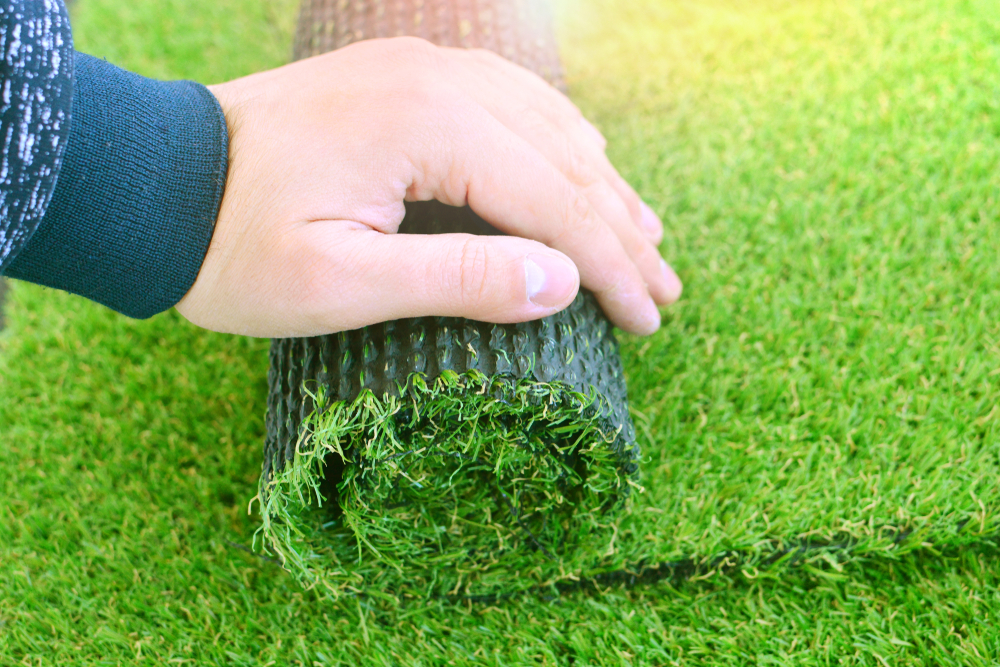
Artificial turf has become a popular landscaping choice for homeowners and commercial properties alike. It offers the beauty of a lush green lawn without the ongoing maintenance of natural grass. However, many property owners are surprised to learn about a relatively common issue that can occur with artificial turf: turf melting.
Turf melting happens when reflected sunlight from windows creates concentrated heat spots that can warp, discolor, or even melt artificial turf fibers. This issue has become more prevalent in recent years due to the widespread use of modern energy-efficient windows, particularly those with Low-E coatings.
Fortunately, there is a practical solution. Exterior low-reflective window film can help reduce the heat reflected that contributes to turf damage while still maintaining the benefits of energy-efficient windows.
At Pro Glass Works, we help homeowners and businesses understand how this problem occurs and how the right window film can prevent costly turf repairs.
Why Turf Melting Happens
Understanding Low-E Glass
Many modern windows are designed with low-emissivity (Low-E) coatings, which help improve energy efficiency. These coatings work by reflecting heat away from the glass surface. During hot weather, this reflection helps keep indoor spaces cooler and reduces the need for air conditioning.
While this is beneficial for interior comfort, it can sometimes create unintended consequences outdoors.
How Reflected Sunlight Creates Heat Spots
When sunlight strikes Low-E glass, a portion of the solar energy is reflected outside. Under certain conditions—especially when the sun is at a particular angle—this reflection can concentrate into a focused beam of light.
This concentrated reflection can act similarly to a magnifying glass, intensifying heat on surfaces directly outside the window. If artificial turf is located in that path, temperatures can rise high enough to cause melting or deformation of the synthetic fibers.
Why Artificial Turf Is Vulnerable
Artificial turf is made from synthetic materials designed to withstand normal outdoor temperatures. However, concentrated sunlight reflections can create localized temperatures exceeding 200°F, which can damage or melt the turf.
Signs of turf melting include:
- Warped or flattened turf blades
- Discolored patches
- Melted or shiny spots
- Irregular circular damage patterns
Once turf melting occurs, repairs often require patching or replacing entire sections of the lawn—an expensive and frustrating process.
What Is Exterior Low-Reflective Window Film?
A Specialized Window Film Solution
Exterior low-reflective window film is specifically designed to reduce the amount of sunlight and heat that windows reflect. Unlike traditional interior window films, this product is applied to the outside of the glass, where it can intercept solar energy before it reflects outward.
By minimizing reflectivity, the film helps prevent the concentrated solar beams responsible for turf damage.
Designed for Outdoor Durability
High-quality exterior films—such as those manufactured by 3M—are engineered to withstand outdoor environmental conditions. They are built to resist:
- Intense heat
- UV exposure
- Rain and moisture
- Wind and debris
This durability ensures that the film continues performing effectively year after year.
How Exterior Low-Reflective Window Film Helps Prevent Turf Melting
Reduces Solar Reflectivity
The primary way exterior low-reflective window film prevents turf melting is by reducing the amount of sunlight reflected off the window.
By reducing this reflectivity, the film prevents the formation of concentrated heat beams that can damage artificial turf. Instead of focusing solar energy onto a single spot, the film disperses and moderates the reflected light.
Controls Heat Transmission
In addition to reducing reflectivity, exterior films also help regulate the amount of solar heat that passes through the glass.
This means you can maintain indoor energy efficiency without creating excessive heat outside your home.
Protects Surrounding Outdoor Surfaces
Artificial turf isn’t the only surface vulnerable to reflective heat. Concentrated sunlight can also damage:
- Vinyl siding
- Composite decking
- Outdoor furniture
- Patio surfaces
- Plastic playground equipment
Installing exterior low-reflective window film helps protect all nearby materials from heat-related damage.
Maintains Visual Appearance
One concern homeowners sometimes have is whether window film will change the appearance of their windows. Fortunately, low-reflective exterior films are designed with a subtle finish.
They reduce glare and reflections without creating a mirrored look, allowing your windows to maintain a clean, natural aesthetic.
Additional Benefits of Exterior Low-Reflective Window Film
Energy Efficiency
Although the primary goal may be preventing turf melting, exterior window film also contributes to indoor energy savings.
By controlling solar heat gain, the film helps stabilize indoor temperatures and reduce the workload on HVAC systems.
UV Protection
Many exterior films block a significant portion of harmful ultraviolet rays. This helps protect indoor furnishings, flooring, and artwork from fading caused by sun exposure.
Glare Reduction
Exterior films reduce excessive glare while still allowing natural daylight into the building. This improves comfort in living rooms, offices, and other spaces where bright sunlight can be distracting.
Long-Lasting Performance
Premium exterior films are designed for durability. When professionally installed, they provide years of reliable performance with minimal maintenance.
The Installation Process
Assessment
The process begins with a professional evaluation of your windows and the surrounding environment. A trained installer will assess:
- Window type and coating
- Sun exposure patterns
- Surrounding landscaping
- Location of artificial turf or other vulnerable surfaces
This assessment ensures the correct film is selected for your specific situation.
Cleaning and Preparation
Before installation, the exterior glass must be thoroughly cleaned. Removing dirt, debris, and contaminants ensures proper adhesion of the film.
Film Application
The film is carefully applied to the window’s exterior using specialized tools and techniques. Skilled installers ensure the film lies flat and bubble-free for a seamless appearance.
Final Inspection
Once applied, the film is trimmed and inspected to ensure proper alignment and adhesion. The finished result should appear smooth, professional, and virtually invisible.
The Long-Term Value of Preventing Turf Damage
Replacing artificial turf can be expensive, especially when large sections of the lawn are affected by melting. By addressing the root cause—window reflection—property owners can avoid recurring repair costs.
Installing exterior low-reflective window film provides several long-term advantages:
- Prevents costly turf replacement
- Protects outdoor structures and materials
- Improves indoor comfort
- Enhances overall property efficiency
Compared to replacing damaged landscaping multiple times, window film installation is often the more cost-effective solution.
When to Consider Exterior Window Film
You may benefit from exterior low-reflective window film if you notice:
- Artificial turf melting near windows
- Hot spots on outdoor surfaces
- Strong glare or reflected sunlight
- Discoloration or warping of nearby materials
Even if turf damage has not yet occurred, installing window film can act as a preventative measure.
Final Thoughts
Artificial turf is designed to be durable and low-maintenance, but reflective heat from modern windows can sometimes create unexpected problems. Fortunately, exterior low-reflective window film offers a reliable solution that addresses the root cause of turf melting.
By reducing window reflectivity and moderating solar heat, this specialized film helps protect artificial turf and other outdoor surfaces while also delivering benefits such as energy efficiency, UV protection, and improved comfort.
At Pro Glass Works, we specialize in helping property owners understand how window film works and selecting the right solution for their specific needs.
If you’re experiencing turf melting—or want to prevent it—contact Pro Glass Works today at (619) 363-4660 or visit our website to schedule a consultation!
Frequently Asked Questions
- Can window film completely stop turf melting?
Exterior low-reflective window film significantly reduces the reflective heat that causes turf melting. In most cases, it eliminates the concentrated solar reflections responsible for damage. - Is exterior window film safe for modern Low-E windows?
Yes. Professional installers evaluate your window type to ensure the selected film is compatible with your glass and will perform properly. - How long does exterior window film last?
High-quality exterior films can last many years when professionally installed and properly maintained, providing long-term protection for your property.
Recent Comments