
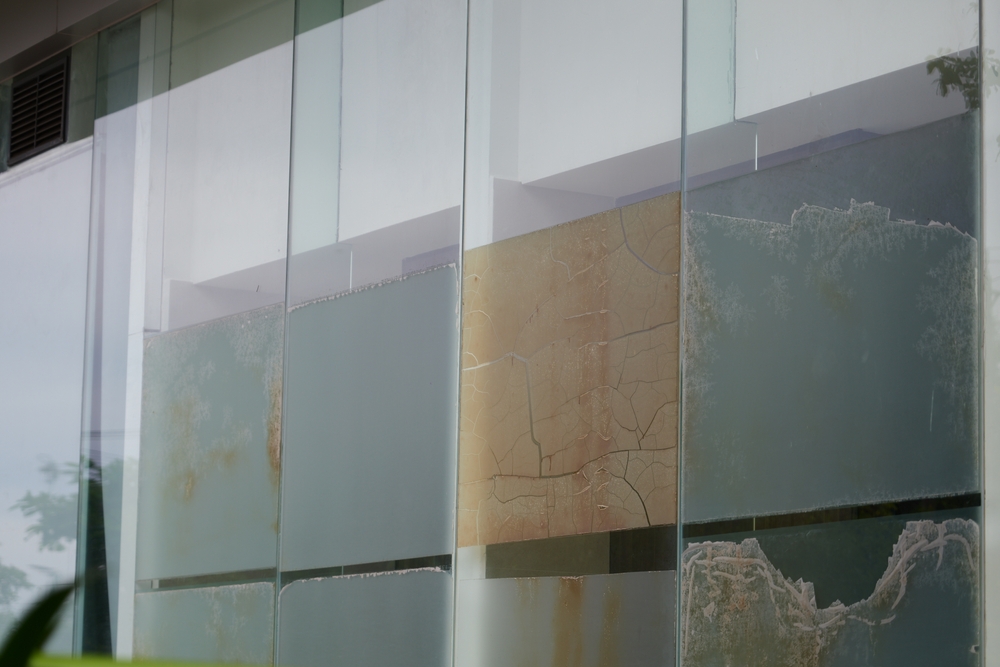
Window film is one of the most effective ways to improve the comfort, energy efficiency, privacy, and appearance of a home or commercial building. High-quality window film can reduce glare, block harmful UV rays, help regulate indoor temperatures, and even enhance security. However, like any product exposed to years of sunlight and changing weather conditions, window film won’t last forever.
Many homeowners and business owners assume that once window film is installed, it will perform indefinitely. While modern products are incredibly durable, they do have a lifespan. Over time, exposure to ultraviolet rays, temperature fluctuations, moisture, and everyday wear can reduce their effectiveness and affect the appearance of your windows.
Knowing when it’s time to replace window film can save you money, improve energy efficiency, and restore the clean, professional appearance of your windows. Whether your film is decades old or you’re beginning to notice signs of deterioration, understanding what to look for can help you make an informed decision.
At Pro Glass Works, we regularly help homeowners and businesses determine whether their existing window film is still performing as intended or if it’s time for an upgrade. In this guide, we’ll explore the most common signs that indicate it’s time to replace old window film, along with the benefits of installing today’s advanced window film products.
Understanding the Lifespan of Window Film
Not All Window Film Lasts Forever
The lifespan of window film depends on several factors, including the quality of the product, where it’s installed, and the amount of direct sunlight it receives. Premium architectural window films often last anywhere from 15 to 30 years, while older or lower-quality products may begin to show signs of aging much sooner.
Commercial buildings with large glass façades may experience different wear patterns than residential homes, especially if windows receive intense afternoon sun. Exterior conditions, installation quality, and maintenance practices also play an important role in determining how long window film remains effective.
If your window film was installed many years ago and you’re unsure of its age, it’s worth having it professionally evaluated. Even if it appears to be in decent condition, advancements in window film technology may make replacing it a worthwhile investment.
Newer Window Films Offer Better Performance
Window film technology has advanced significantly over the past decade. Modern films offer improved heat rejection, greater clarity, better UV protection, and enhanced durability compared to many older products.
Replacing outdated film doesn’t simply restore performance—it often provides noticeable improvements in comfort, energy savings, and aesthetics.
Sign #1: Bubbling or Blistering
One of the Most Noticeable Warning Signs
Bubbles are one of the easiest indicators that it’s time to replace old window film. While small bubbles may seem like only a cosmetic issue, they often indicate that the adhesive holding the film to the glass has begun to fail.
As the adhesive deteriorates, air pockets form between the film and the window, creating bubbles that cannot simply be smoothed out.
Why Bubbling Happens
Several factors contribute to bubbling, including:
- Age of the film
- Constant exposure to sunlight
- Moisture intrusion
- Inferior installation
- Low-quality materials
Once bubbling begins, the problem usually continues to spread. Attempting to repair isolated bubbles is rarely successful because the adhesive failure affects the entire piece of film.
Why Replacement Is the Best Solution
Bubbling not only looks unattractive but can also reduce the film’s ability to block heat and UV rays effectively. Replacing the damaged film restores both appearance and performance.
Sign #2: Peeling Around the Edges
A Common Problem with Older Window Film
Another clear sign that it’s time to replace old window film is peeling around the edges.
The edges of window film often experience the greatest amount of stress from temperature changes and daily cleaning. As adhesives weaken over time, the film may begin separating from the glass.
Initially, you might notice only a small corner lifting. Eventually, larger sections can peel away, leaving gaps that expose untreated portions of the window.
Why Edge Failure Matters
Peeling edges allow dirt, dust, and moisture to become trapped beneath the film. This not only worsens the appearance but can accelerate further deterioration.
In commercial settings, peeling film can create an unprofessional appearance that negatively impacts customers’ first impressions.
Sign #3: Discoloration or Yellowing
Window Film Should Remain Nearly Invisible
One of the biggest advantages of today’s premium window films is their optical clarity. Quality products are designed to remain virtually invisible while providing exceptional performance.
Older films, however, often begin to yellow, fade, or discolor after years of UV exposure.
Causes of Discoloration
Yellowing usually occurs because older film technologies relied on dyes that gradually broke down in sunlight.
As these materials age, windows may develop:
- Yellow or amber discoloration
- Purple tinting
- Uneven color changes
- Cloudy appearance
Not only does this reduce curb appeal, but it can also make interior spaces appear darker and less inviting.
Modern Films Stay Clear Longer
Today’s advanced window films are engineered with improved materials that resist fading and maintain their appearance for many years. If your windows no longer look clean and clear, it may be time to replace old window film with newer technology.
Sign #4: Increased Heat Inside Your Home or Business
Your Energy Bills May Be Trying to Tell You Something
One of the primary reasons people install window film is to reduce solar heat gain. When the film begins to lose its effectiveness, indoor temperatures often become noticeably warmer.
If certain rooms suddenly feel hotter than they used to—even with the air conditioning running—it could indicate that your existing window film is no longer performing properly.
Signs of Reduced Performance
You may notice:
- Hot spots near windows
- Higher cooling costs
- HVAC systems running more frequently
- Rooms becoming uncomfortable during the afternoon
These issues are often gradual, making them easy to overlook until utility bills begin climbing.
Upgrading Can Improve Energy Efficiency
Replacing aging film with modern high-performance products can significantly improve indoor comfort while helping reduce cooling costs throughout the year.
Sign #5: Excessive Glare
Comfortable Lighting Shouldn’t Be a Daily Struggle
Window film helps soften harsh sunlight while allowing natural light to brighten your home or office. As older films deteriorate, they often lose their ability to reduce glare effectively.
If you’re constantly closing blinds or adjusting your workspace to avoid sunlight reflecting off computer screens or televisions, your window film may no longer be providing the protection it once did.
In office environments, excessive glare can reduce employee productivity, while in homes it can make watching television or working from home far less comfortable.
Modern window films are specifically designed to minimize glare while preserving clear outdoor views, making them an excellent upgrade when it’s time to replace old window film.
Sign #6: Fading Furniture, Flooring, or Merchandise
UV Protection May No Longer Be Working
One of the biggest benefits of window film is its ability to block harmful ultraviolet (UV) rays. Quality window films can block up to 99% of UV radiation, helping protect your home’s interior or your business’s assets.
If you’ve started noticing fading on hardwood floors, carpet, furniture, artwork, or merchandise displayed near windows, your existing film may no longer be providing the protection it once did.
Why UV Protection Matters
Ultraviolet rays are responsible for much of the fading that occurs inside buildings. Over time, prolonged exposure can cause:
- Hardwood floors to lose their color
- Upholstery to become dull
- Artwork to fade
- Office furniture to discolor
- Retail merchandise to deteriorate
Installing new, high-performance window film helps preserve your investment while maintaining the appearance of your interior spaces.
Sign #7: Scratches or Physical Damage
Wear and Tear Can Affect Performance
Even durable window film can sustain damage over the years. Cleaning with abrasive materials, accidental impacts, or everyday wear can leave scratches that affect both appearance and performance.
Small scratches may seem minor, but widespread damage can reduce visibility and compromise the film’s protective properties.
Common Causes of Damage
Window film may become scratched from:
- Improper cleaning tools
- Furniture moving against windows
- Pets scratching glass
- Everyday wear in commercial environments
If the damage is widespread, it’s often more cost-effective to replace old window film than attempt repairs.
Sign #8: Outdated Appearance
Your Windows Should Complement Your Property
Design trends change over time, and so does window film technology. Older films often have darker tints or reflective finishes that may no longer match the style of your home or business.
Today’s products offer cleaner, more neutral appearances while providing better performance than older generations of film.
Improve Curb Appeal
Replacing aging film can instantly refresh your property’s appearance without replacing the windows themselves.
For homeowners, this can enhance curb appeal.
For businesses, updated windows help create a more welcoming and professional first impression for customers.
Benefits of Replacing Old Window Film
Improved Energy Efficiency
Modern window films provide better heat rejection than many older products. This helps reduce cooling costs and creates a more comfortable indoor environment throughout the year.
Better Comfort
New window film helps eliminate hot spots, reduce glare, and create more consistent indoor temperatures.
Enhanced Appearance
Fresh window film restores clean, clear glass and gives your property a well-maintained look.
Increased UV Protection
Modern films continue to provide excellent UV protection, helping preserve flooring, furniture, artwork, and merchandise for years to come.
Updated Technology
Advancements in window film manufacturing have produced products that are:
- More durable
- Longer lasting
- More optically clear
- Better at rejecting heat
- More resistant to discoloration
Replacing older products allows you to take advantage of these improvements.
Why Professional Replacement Matters
Proper Removal Prevents Damage
Removing old window film can be challenging, especially when adhesives have deteriorated over many years.
Improper removal techniques can:
- Leave adhesive residue
- Scratch the glass
- Damage window seals
- Increase labor time
Professional installers have the tools and experience to safely remove aging film before installing new products.
Expert Product Recommendations
Not every building has the same needs. At Pro Glass Works, we evaluate factors such as:
- Window orientation
- Sun exposure
- Privacy requirements
- Building use
- Budget
- Desired appearance
Based on these factors, we recommend the window film solution that best fits your goals.
Professional Installation Makes a Difference
Even the highest-quality film performs best when installed correctly.
Our experienced team ensures every installation is completed with precision, helping maximize the lifespan and performance of your new window film.
Don’t Wait Until Performance Declines
Many people don’t realize how much their old window film has deteriorated because the decline happens gradually. What once provided excellent heat rejection and glare reduction may now be delivering only a fraction of its original performance.
If you’ve noticed bubbling, peeling, fading, discoloration, increased glare, rising indoor temperatures, or visible damage, it may be time to replace old window film before those issues become more costly.
Replacing aging film not only improves comfort and appearance but can also help lower energy costs and protect your interior from further UV damage.
Final Thoughts
Window film is an excellent investment, but like any building improvement, it has a lifespan. Knowing when to replace old window film allows you to continue enjoying the benefits of improved comfort, energy efficiency, UV protection, and enhanced aesthetics.
Whether your current film is bubbling, peeling, fading, or simply showing its age, upgrading to today’s advanced window film technology can make a noticeable difference in both residential and commercial spaces.
At Pro Glass Works, we specialize in evaluating existing window film and recommending high-quality replacement solutions that fit your property’s needs. Our experienced team is committed to helping homeowners and businesses enjoy the latest window film technology with professional installation and exceptional customer service.
If you think it’s time to replace old window film, contact Pro Glass Works today at (619) 363-4660 or visit our website to schedule a consultation. We’ll help you determine the best solution for your home or business and ensure your windows continue performing at their best!
Frequently Asked Questions
- How long does window film typically last?
High-quality window film can last anywhere from 15 to 30 years, depending on the type of film, installation quality, sun exposure, and maintenance. If your film is showing signs of wear, it may be time to replace it.
- Can old window film be removed without damaging the glass?
Yes. Professional installers use specialized tools and techniques to safely remove old window film and adhesive residue without harming the glass, preparing the surface for a new installation.
- Is replacing window film more affordable than replacing windows?
In many cases, yes. Replacing old window film is often a much more cost-effective way to improve energy efficiency, reduce glare, enhance privacy, and refresh the appearance of your windows without the expense of installing new glass.
Recent Comments